
EnvEurope Project
Environmental quality and pressures assessment across Europe: the LTER network as an integrated and shared system for ecosystem monitoring
The potential of long-term ecological studies to recognize and interpret environmental changes is best realized when data on ecosystems are gathered at a broad geographical scale with a harmonized methodological approach. EnvEurope is a case study and pilot scheme for an ecological research and monitoring workflow based on the distributed network of LTER-Europe sites. The key principles of the project are scientific knowledge, common information management and harmonization of parameters and methods at a European scale through a cross-domain approach with 67 LTER-Europe sites encompassing terrestrial, continental waters, wetlands and marine ecosystems from 11 countries.
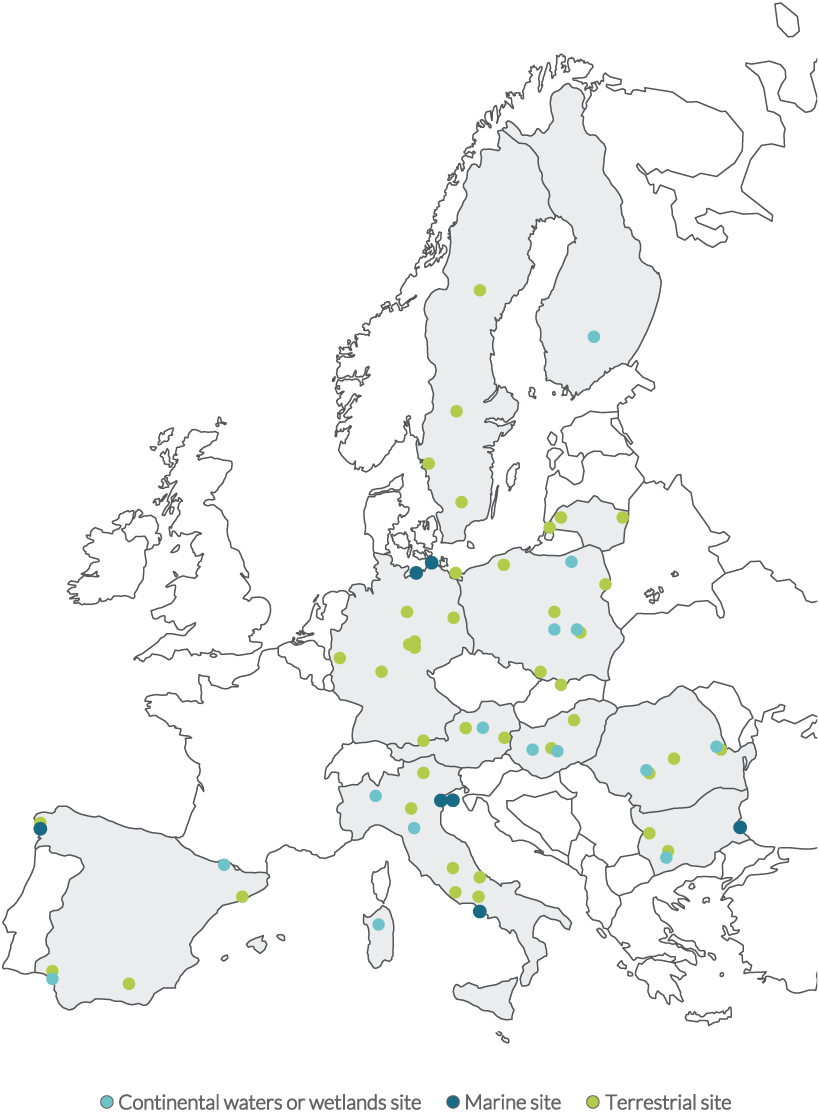
Continental Waters
or Wetlands Sites

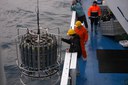
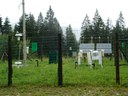
The project combines existing data with new data generated during the project to achieve a deeper understanding of ecosystem functioning, improved environmental management and support for the development of EU environmental policies and conservation planning through the integration of objectives, resources and disciplines. It aims to play a role in the conceptual and operative context of the Shared Environmental Information System (SEIS) promoted by the European Commission and in the development of some components of the Global Monitoring for Environment and Security (GMES), a joint initiative of the European Commission and European Space Agency.
 “Best Life Environment Project” award